


What Are the Impacts of Rivers on the Life of Human Beings?
What are the impacts of rivers on the life of human beings? Rivers have been significant to human civilization for thousands of years. They supply freshwater, facilitate agriculture, establish transportation pathways, provide food, and offer avenues for plants and wildlife. Rivers have been a source of development for many towns and cities, since people rely on them as a source of their basic needs and their economic activities.
Rivers have determined the settlement and formation of communities, as well as the location of people, across the Nile to the Ganges-Brahmaputra river system. Rivers are still a significant aspect of life in most regions of the world today.
Rivers Provide Freshwater
The provision of freshwater is one of the most significant impacts of rivers on the lives of people. What Are the Impacts of Rivers on the Life Individuals require water to drink, cook, clean, and sanitize.
Rivers are a major source of freshwater for most communities, although not all river water can be directly consumed. River water can be use serve homes and other businesses.
Rivers also contribute to groundwater, wetlands, and lake rejuvenation. Rivers are also a significant source of water during seasons of rainfall in those regions where rainfall is seasonal.
Rivers Support Agriculture
Water is essential in agriculture, and rivers are a significant source of irrigation water.
River water can be use grow crops like rice, wheat, vegetables, fruits, among other agricultural products, by farmers. Fertile land near rivers can be especially productive because rivers can deposit nutrient-rich sediments during flooding.
This is the reason why thousands of farmers settled near rivers thousands of years ago. Fertile soil and the supply of water can also sustain large agricultural populations.
Rivers Have an Effect on Settlement
Rivers have strongly influenced human settlement patterns. Rivers are commonly sought after by people to construct their houses and places of settlement, since water plays a crucial role in life.
Rivers were the locations on which many major cities throughout the world were built. What Are the Impacts of Rivers on the Life Water, transportation, fertile land, and trade opportunities were offer rivers.
Nevertheless, the fact that we live in the vicinity of a river is also risky. Floods have the potential to destroy properties, agricultural lands, roads, and companies. Consequently, communities tend to construct embankments, drainages, dams, among others, to curb the risks of floods.
Rivers Promote Transport and Trade
Rivers were other means of transport before the advent of modern highways, railways, and airplanes.
People and lots of goods could be transport boats over the rivers. This facilitated communities to trade with each other.
Currently, there are some large rivers that are significant in commercial transportation. Agricultural products, minerals, fuel, and manufactured goods can be shipped using ships and barges.
The river ports may as well become significant economic fountains.
Rivers Provide Food
Rivers are also an important source of food. Millions of people depend on fish and other aquatic animals as their food.
Populations who are based on rivers and reliant on water resources usually engage in fishing activities and make use of the water resources as a source of food and income. River fishing is a significant aspect of local culture and tradition in certain areas.
Nevertheless, river ecosystems can threaten overfishing, pollution, habitat loss, and alterations in water flow that will decrease the number of fish.
Rivers Generate Energy
Hydropower can also be used to generate electricity in rivers.
Hydropower stations utilize the flowing water or falling water to rotate turbines producing electricity. Hydropower has the potential to supply homes, industries, transport systems, among other endeavors.
Large dams have the ability to produce large volumes of electricity but also have the potential to alter river ecosystems and alter fish migration as well as sediment movement. Thus, the development of rivers should be properly planned.
Rivers Support Ecosystems
Rivers are not of use only to humans. They serve as significant ecosystems as well.
Fish, insects, birds, plants, amphibians, and many other organisms are some of the creatures that find their homes in river environments. River-related wetlands may also serve as an addition to other habitats and store water in case of floods.
Healthy river ecologies also aid in the maintenance of water quality and biodiversity.
Wildlife may be impacted when rivers are contaminated or altered to such an extent. River protection is thus a factor of importance to the people and nature.
Rivers Influence Culture and History
Rivers have influenced human culture and history and have also influenced the physical landscape.
A lot of ancient civilizations were created on the basis of large rivers. Rivers impacted farming, trade, transportation, settlement, and political development.
Cultural and religious significance of a river can persist even nowadays. Rivers can have festivals, ceremonies, and traditional activities in communities.
Rivers can thus become a significant element in the identity of a region.
What Can River Pollution Do to Human Life?
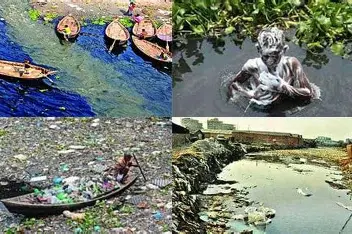
Though rivers are beneficial in several ways, polluted rivers can cause some severe issues.
Waterways may receive industrial wastes, untreated sewage, and plastic, farm chemicals, and other pollutants. Polluted water may cause damage to aquatic life and pose threats to individuals who rely on rivers.
Pollution may also decrease fish population and destroy agriculture.
River water protection necessitates good waste management facilities, pollution control, wastewater treatment, and community enlightenment.
Climate Change and Rivers
Rivers may also be susceptible to climate change. River flow can alter alterations in rainfall pattern, melting glaciers, droughts, and extreme weather conditions.
There can be a higher rainfall in certain areas, and a lack of water in other places.
Such changes have the potential to impact agriculture, drinking water, ecosystems, and communities which rely on rivers. The importance of water management will easily increase with the change in environmental conditions.
Why Rivers Are Important in the Future
The world population is rising; this will, in turn, raise the freshwater, food, energy, and transportation needs. Rivers will still be crucial in fulfilling these needs.
Simultaneously, rivers are under pressure due to pollution, excessive utilization, deforestation, construction, and climate change.
To preserve rivers, governments, communities, farmers, industries, and individuals should collaborate in their protection. It is possible to preserve such valuable resources by keeping waterways clean and using water responsibly to ensure the protection of these resources for future generations.
Conclusion
What are the impacts of rivers on human life? Rivers in their way affect nearly all aspects of human society. They supply fresh water, promote agriculture, supply food, facilitate transport, produce energy, and provide wildlife habitat.
They have also influenced the evolution of cities, cultures, and civilizations in the past. Nevertheless, rivers may also pose a problem, such as flooding and pollution.
The significance of understanding rivers makes us realize the need to protect rivers. Healthy rivers support healthy communities, productive ecosystems, and a more sustainable future.


Comments are closed.
[…] various climates on Earth are due to the fact that the Earth receives and distributes solar energy unevenly. What Are the Causes of the Varied Climates in the […]