

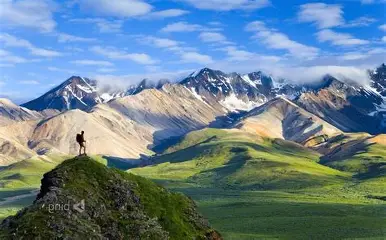

Mountain: The Majestic Wonders of Nature
Mountain landscapes are among the most beautiful natural features on Earth. A mountain rises high above the surrounding land and provides spectacular views, unique wildlife habitats, and important sources of freshwater.
What Is a Mountain?
Mountains is a large natural elevation of the Earth’s surface that rises significantly above the surrounding land. Mountains are generally higher and steeper than hills, although there is no single worldwide height that officially separates a mountain from a hill. They can form individually or as part of a large mountain range.
How Are Mountains Formed?
Most mountains are formed through powerful geological processes that occur beneath the Earth’s surface. One of the most important processes is the movement of tectonic plates. When two continental plates collide, the Earth’s crust can be pushed upward, creating huge mountain ranges.
The Himalayan Landscape, for example, were formed by the collision of the Indian and Eurasian tectonic plates. This process continues today, which means the Himalayas are still changing.
Mountains can also form through volcanic activity. When magma rises from beneath the Earth’s crust and reaches the surface, repeated eruptions can build layers of volcanic rock. Over time, these layers may create a volcanic mountain and exploration.
Other famous mountains include K2 in the Karakoram Range, Mount Kilimanjaro in Tanzania, Mount Fuji in Japan, and the Matterhorn in the Alps. Each mountain has its own unique landscape, wildlife, cultural history, and challenges for visitors.
These famous mountains attract climbers and tourists who want to experience spectacular views and challenging outdoor adventures.
Why Are Mountains Important?
Mountains are extremely important to the environment and human civilization. They act as natural sources of freshwater because snow and ice stored at high elevations melt and feed rivers. Millions of people depend on highland water for drinking, farming, electricity generation, and industry.
Mountains also influence weather and climate. They can force moist air upward, causing rainfall on one side of a mountain range while creating drier conditions on the other side.
In addition, mountains contain valuable natural resources, forests, minerals, and fertile valleys. Many communities have lived in mountain regions for centuries and have developed unique traditions and lifestyles.
Mountain Wildlife and Plants
Mountain ecosystems support a wide variety of plants and animals. Because temperatures become colder as elevation increases, different species live at different heights.
Lower mountain slopes may contain dense forests filled with trees, birds, insects, and mammals. Higher elevations can support specially adapted animals such as mountain goats, snow leopards, and certain species of eagles.
Plants in environments must often survive strong winds, cold temperatures, limited oxygen, and short growing seasons. These challenging conditions make mountain ecosystems particularly interesting for scientists and environmental researchers.
Mountains and Tourism
Mountains are popular destinations for tourism and outdoor activities. People visit them for hiking, trekking, climbing, camping, skiing, photography, and sightseeing.
Mountain tourism can provide important economic opportunities for local communities. Hotels, restaurants, guides, transportation services, and outdoor businesses can all benefit from visitors.
However, tourism must be managed responsibly. Large numbers of visitors can produce waste, damage vegetation, disturb wildlife, and contribute to pollution. Travelers should follow local rules, avoid littering, and respect natural habitats.
The Importance of Protecting Mountains
Mountains face several environmental challenges, including climate change, deforestation, pollution, habitat loss, and unsustainable tourism. Rising temperatures can cause glaciers and snowfields to shrink, affecting water supplies for communities downstream.
Protecting mountain environments requires cooperation between governments, local communities, conservation organizations, and travelers. Reforestation, responsible tourism, wildlife protection, and sustainable development can help preserve these valuable ecosystems.
Conclusion
Mountains are more than spectacular landscapes. They are important parts of Earth’s natural systems and provide freshwater, habitats, resources, and cultural value to people around the world. From towering snowy peaks to peaceful green hillsides, mountains continue to inspire adventure and scientific discovery.
By understanding the importance of mountains and protecting their fragile ecosystems, we can help ensure that these majestic natural wonders remain beautiful and healthy for future generations.


Comments are closed.
[…] streams may join together to form larger waterways. This network is known as a river system. Rivers can also change their paths over long periods as erosion and sediment deposition reshape […]