
What Is Geography? Definition, Types and Importance
What is Geography? Geography is the study of our planet, including its land, water, climate, people, and places. It helps us understand how different parts of Earth are connected and why places around the world can look and feel so different. From high mountains and wide oceans to crowded cities and quiet villages, Geography helps us make sense of the world we live in.
What Is Geography?
At its simplest, Geography is about places and the relationships between people and their environment. It is not just about memorizing countries, capitals, or locations on a map. The Earth looks at how Earth changes, how people use the land, and how natural features affect human life.
For example, have you ever wondered why many cities are built near rivers? Or why some areas receive heavy rainfall while others remain dry for most of the year? Physical Geography can help answer these questions.
Geographers study everything from natural landscapes to human settlements. They look at where things are located, how they got there, and how they may change in the future.
Main Types of Geography
There are two major branches of Geography: physical geography and human geography. Both are important for understanding our planet.
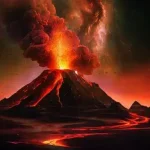
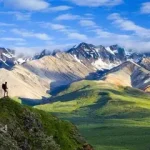
The study of Earth focuses on the natural side of Earth. It deals with features and processes that shape the planet, such as mountains, rivers, oceans, volcanoes, glaciers, deserts, weather, and climate.
Some major areas of physical geography include:
- Geomorphology: The study of landforms and how they are created and changed.
- Climatology: The study of climate and long-term weather patterns.
- Hydrology: The study of Earth’s water, including rivers, lakes, and groundwater.
- Biogeography: The study of where plants and animals live and why they are found in particular regions.
Physical Geography can help us understand natural events such as volcanic eruptions, floods, erosion, earthquakes, and changes in climate.
Human Geography
Human Geography looks at people and the ways they interact with the world around them. It includes topics such as population, migration, cities, culture, transportation, agriculture, and economic activities.
For example, a human geographer might study why people move from villages to cities or why certain cities grow faster than others. They may also explore how people use natural resources and how human activities affect the environment.
This branch of Earth shows us that people and places are closely connected. A change in one area can sometimes have effects far beyond that location.
Why Is Geography Important?
Geography is important because it helps us understand both Earth and human society. This knowledge can be useful in many areas, including environmental protection, farming, tourism, transportation, urban planning, and disaster management.
For instance, geographical information can help communities prepare for floods, cyclones, landslides, and other natural hazards. It can also help planners decide where roads, homes, schools, and other facilities should be built.
Earth is especially useful when studying climate change. Scientists can examine changes in temperature, rainfall, glaciers, sea levels, and ecosystems to understand how our planet is changing.
Geography and Maps
When most people think about Geographical study they probably think about maps—and for good reason. Maps are one of the most important tools in Geography. They help us understand where places are and show information about physical and human features.
Today, geographers use much more than traditional paper maps. Technologies such as GPS, satellite imagery, and Geographic Information Systems (GIS) allow them to collect and study large amounts of geographical information.
For example, satellite images can show changes in forests, coastlines, glaciers, farmland, and growing cities. These tools make it easier to study our planet in detail.
Geography in Everyday Life
You may use Geographical more often than you realize. Checking a weather forecast before going outside, using a map to find an address, planning a trip, or learning about another country all involve geographical knowledge.
Businesses also use when choosing locations for stores, factories, warehouses, and transportation routes. Farmers use information about soil, rainfall, and climate to decide which crops to grow.
Even tourism depends on human Geography. Understanding a destination’s location, climate, landscape, and transportation can make travel easier and more enjoyable.
Conclusion
So, what is Geography? It is much more than learning names and locations. The Earth is the study of Earth’s physical features, people, places, environments, and the connections between them.
Whether we are looking at a powerful volcano, a winding river, a growing city, or a changing climate, Geographical studies help us understand how the world works. we can become more aware of our planet and make better decisions about how we live on and care