

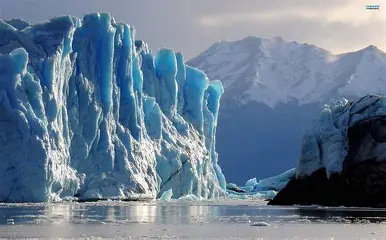

Glacier: A Frozen Wonder of the Natural World
A glacier is one of the most impressive features of the natural world. These enormous bodies of ice form slowly over many years and move gradually across land. Although they may appear still and permanent, glaciers are constantly changing. They shape mountains, valleys, rivers, and landscapes while storing a large power of the world’s freshwater. From the high mountains of the Himalayas to the vast ice sheets of Antarctica, glaciers play an important role in Earth’s environment.
What Is a Glacier?
A glacier is a large, long-lasting mass of ice that forms on land from accumulated snow. When snow remains in an area for many years, pressure gradually compresses the layers below it. Over time, the snow becomes dense ice. When the ice becomes thick and heavy enough, gravity causes it to slowly move downhill or spread outward.
Glaciers can move only a few centimeters per day, although some can move much faster under certain conditions. Their movement may be difficult to notice from day to day, but over decades and centuries, it can significantly change the landscape.
How Do Glacier Form?
The formation of a glacier takes a very long time. It begins when an area receives more snow than it loses through melting and evaporation. Year after year, new snow accumulates on top of older layers.
As the snow becomes buried, pressure pushes the air out and transforms the snow into compact ice. Eventually, the accumulated ice becomes thick enough to flow under its own weight. This process can take decades, centuries, or even thousands of years, depending on the climate and location.
For a glacier to survive, snowfall must generally continue to replace the ice that is lost through melting, evaporation, or the breaking away of ice into water or the ocean.
Types of Glacier
There are several types of glaciers, but they are commonly divided into two major groups: valley glaciers and ice sheets.
Valley glaciers develop in mountain regions and flow through valleys. They often create dramatic landscapes as they move between mountains. Their movement can carve deep valleys with steep sides.
Ice sheets are much larger and cover extensive areas of land. Antarctica and Greenland contain the world’s two major ice sheets. These huge masses of ice hold enormous quantities of frozen freshwater.
There are also smaller forms, such as cirque glaciers, which occupy bowl-shaped depressions in mountainous areas. Each type contributes to the formation of distinctive landscapes.
How Glaciers Shape the Land
One of the most remarkable features of a glacier is its ability to reshape the land. As moving ice travels over rocks and soil, it can scrape, grind, and carry material with it.
Over long periods, this process can create U-shaped valleys, mountain lakes, ridges, and other geological features. Glaciers can also transport large rocks over considerable distances. When the ice melts, the rocks and sediments may be left behind, creating deposits known as moraines.
Many beautiful landscapes around the world exist because of ancient or modern glacial activity.
Glaciers and Freshwater
Glaciers are an important part of Earth’s freshwater system. They store a significant amount of freshwater in the form of ice. When glaciers melt, the resulting water can feed rivers, lakes, and streams.
In some mountainous regions, glacier-fed rivers provide water for communities, agriculture, and ecosystems. Seasonal melting can be especially important during warmer months when rainfall may be limited.
However, the loss of glacier ice can create serious challenges. If glaciers shrink significantly, some areas may experience changes in water availability, especially communities that depend on meltwater.
Glaciers and Climate Change
Glaciers are highly sensitive to changes in temperature and precipitation. In many parts of the world, glaciers have been shrinking as global temperatures rise.
Glacier retreat does not happen at the same rate everywhere. Some glaciers may temporarily advance because of increased snowfall, while others lose ice rapidly. Scientists study changes in glacier size, thickness, and movement to understand how Earth’s climate is changing.
Melting glaciers also contribute to rising sea levels when land-based ice flows or melts into the ocean. This is one reason glaciers are important indicators of long-term environmental change.
Famous Glaciers Around the World
Many glaciers have become famous for their size, beauty, and scientific importance. The Himalayas contain thousands of glaciers that feed major rivers across Asia. The Alps in Europe are also home to numerous mountain glaciers.
In Alaska, large glaciers cover extensive mountain regions and attract scientists, photographers, and visitors. Greenland and Antarctica contain enormous ice-covered areas that are central to research on climate and sea-level change.
These frozen landscapes demonstrate the incredible power of ice and provide valuable information about Earth’s past and present climate.
Why Glaciers Matter
Glaciers are important not only because they are beautiful but also because they influence ecosystems, freshwater supplies, sea levels, and landscapes. They provide habitats for specialized organisms and help regulate the flow of water in many mountainous regions.
Studying glaciers allows scientists to learn more about environmental changes and Earth’s climate history. Ice cores taken from glaciers and ice sheets can preserve evidence of past atmospheric conditions, helping researchers understand how the climate has changed over thousands of years.
Conclusion
A glacier is much more than a giant block of frozen water. It is a dynamic part of Earth’s environment that forms slowly, moves gradually, and can transform entire landscapes. Glaciers store freshwater, support ecosystems, shape mountains, and provide important clues about climate change.
As temperatures continue to change, understanding and protecting these frozen environments has become increasingly important. Glaciers remind us that even the coldest and most remote parts of our planet are closely connected to life and environmental systems around the world.

Comments are closed.
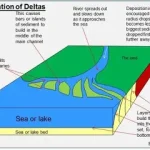
[…] a roughly triangular shape. However, not every delta looks like a perfect triangle. Their shapes depend on river flow, tides, waves, sediment supply, and the characteristics of the surrounding […]