

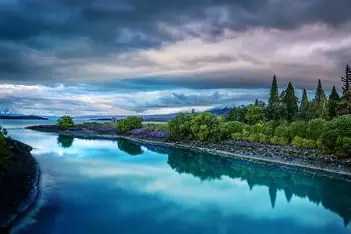

River: The Lifeline of Nature and Human Civilization
A river is one of the most important natural features on Earth. Flowing from mountains, springs, lakes, or underground sources toward seas, oceans, or other rivers, rivers support life in countless ways. They provide freshwater, create fertile land, support wildlife, and help communities grow. From small streams to enormous waterways, rivers have shaped both the natural environment and human civilization for thousands of years.
What Is a River?
A river is a natural stream of flowing water that usually moves toward a larger body of water. It may begin from a mountain spring, glacier, lake, or area where underground river water reaches the surface. The beginning of a river is called its source, while the place where it eventually flows into a sea, ocean, lake, or another river is known as its mouth.
Rivers can be short and narrow or long and wide. Some flow throughout the year, while others depend heavily on seasonal rainfall or melting snow. Their size, speed, and direction are influenced by the surrounding landscape and climate.
How Do River Form?
Rivers develop through the continuous movement of water across the Earth’s surface. Rainfall and melting snow can collect in high areas and flow downhill because of gravity. Over time, this moving water creates channels and gradually shapes the land.
Small streams may join together to form larger waterways. This network is known as a river system. Rivers can also change their paths over long periods as erosion and sediment deposition reshape their banks and surrounding landscapes.
Why Are River Important?
Rivers are essential for both nature and human society. One of their most important roles is providing freshwater. People use river water for drinking, agriculture, sanitation, industry, and other daily activities.
Farmers often depend on rivers to irrigate crops. River valleys can also contain nutrient-rich soil created by deposited sediments, making them suitable for agriculture. Historically, many major civilizations developed near rivers because access to water made farming, transportation, and settlement easier.
Rivers also contribute to energy production. Hydroelectric power stations use flowing water to generate electricity. This makes some large rivers important sources of renewable energy.
Rivers and Wildlife
A healthy river ecosystem supports a wide variety of plants and animals. Fish, frogs, turtles, insects, birds, and many mammals depend on rivers and nearby wetlands for food, shelter, and reproduction.
Plants growing along riverbanks can provide shade and help stabilize the soil. River vegetation also creates habitats for many species. In addition, rivers connect different ecosystems, allowing nutrients and organisms to move through the landscape.
When a river is polluted or its natural flow is heavily altered, the effects can spread throughout the surrounding ecosystem. Protecting rivers is therefore essential for maintaining biodiversity.
Famous Rivers Around the World
There are thousands of important rivers across the world. The Nile River is famous for its historical importance to ancient Egyptian civilization. The Amazon River carries an enormous volume of water through South America and is closely connected to the Amazon rainforest.
Other well-known waterways include the Yangtze in China, the Mississippi in the United States, the Ganges in South Asia, and the Danube in Europe. These rivers support millions of people and have played major roles in transportation, agriculture, culture, and economic development.
Rivers and Human Civilization
Throughout history, rivers have influenced where people live and how societies develop. Early communities often settled near reliable sources of freshwater. Rivers provided drinking water, fertile agricultural land, transportation routes, and opportunities for fishing.
Even today, many cities are located beside major waterways. Rivers can support trade and tourism while providing valuable natural resources. They also hold cultural and spiritual significance for many communities around the world.
Threats Facing Rivers
Despite their importance, rivers face serious environmental challenges. Pollution from factories, farms, sewage, plastics, and other waste can reduce water quality and harm aquatic life. Deforestation and construction near riverbanks can increase erosion and destroy natural habitats.
Climate change can also affect river systems by changing rainfall patterns, increasing droughts in some regions, and causing more extreme flooding in others. Dams and excessive water extraction may alter natural river flows and affect wildlife.
How Can We Protect Rivers?
Protecting rivers requires responsible action from governments, industries, communities, and individuals. Waste should never be dumped into waterways, and industrial pollution must be carefully controlled. Planting trees near riverbanks can help reduce erosion and protect habitats.
People can also contribute by reducing plastic waste, conserving water, supporting clean-up projects, and learning about local waterways. Sustainable management can help ensure that rivers remain healthy for future generations.
Conclusion
A river is much more than a flowing body of water. It is a vital part of the natural environment and an important foundation for human life. Rivers provide freshwater, support wildlife, enrich farmland, generate energy, and connect communities.
As populations grow and environmental pressures increase, protecting these valuable waterways has become more important than ever. By using water responsibly and keeping rivers clean, we can preserve their beauty, biodiversity, and benefits for generations to come.

Comments are closed.
[…] desert is one of the most fascinating landscapes on Earth. When people think of a desert, they often imagine endless sand dunes, hot sunshine, and a dry environment. However, deserts are much more diverse […]