

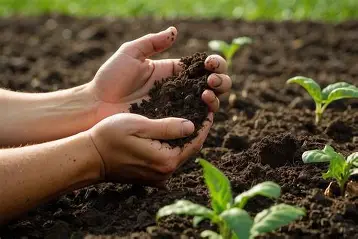

Soil: The Foundation of Life on Earth
Soil is one of the most important natural resources on Earth. It covers much of the land surface and supports plants, animals, and human life. Although we often walk across without thinking about it, this thin layer of Earth plays a major role in food production, ecosystems, water management, and the environment. Healthy provides plants with nutrients, stores water, supports microorganisms, and helps maintain the balance of nature.
What Is Soil?
Soil is the loose material that forms on the surface of the Earth. It develops slowly as rocks break down through weathering and mix with organic matter from plants and animals. contains minerals, air, water, organic matter, and countless living organisms.
The formation of can take hundreds or even thousands of years. Climate, rocks, plants, animals, landforms, and time all influence how develops. Because forms so slowly, protecting it is essential for future generations.
Why Is Soil Important?
The importance of soil goes far beyond growing plants. Agriculture depends heavily on healthy soil because crops need nutrients, water, and physical support to grow. Fruits, vegetables, grains, and many other foods begin their life in the soil.
Soil also provides a home for many organisms. Earthworms, insects, fungi, bacteria, and other microorganisms live in or around. These organisms help break down dead plants and animals and return nutrients to the environment.
Another important role of water management. Soil can absorb and store rainfall, allowing water to move gradually into underground areas. Healthy can reduce surface runoff and help lower the risk of flooding and erosion.
Different Types of Soil
There are several major types, and each has different characteristics.
Sandy soil contains large particles and has a loose texture. Water moves through it quickly, so it usually does not hold moisture for long. However, sandy soil can be useful for plants that require good drainage.
Clay soil contains very small particles. It can hold a large amount of water and nutrients, but it may become sticky when wet and hard when dry. Improving clay with organic matter can make it easier for plants to grow.
Silt soil has smaller particles than sand but larger particles than clay. It is generally fertile and can hold moisture well. However, it may be more vulnerable to erosion.
Loamy soil is often considered excellent for gardening and agriculture. It contains a balanced mixture of sand, silt, clay, and organic matter. Loamy usually provides good drainage while retaining enough water and nutrients for healthy plant growth.
Soil and Plant Growth
Plants depend for several basic needs. Their roots grow through the absorb water and essential nutrients also provides physical support, helping plants remain stable as they grow.
Nutrients such as nitrogen, phosphorus, and potassium are especially important for plant development. Organic matter can improve structure and provide nutrients as it decomposes. This is why compost, leaves, and other natural materials can be valuable additions to gardens and farmland.
Healthy soil also contains beneficial microorganisms. These tiny organisms help break down organic materials and make nutrients more available to plants.
Soil Erosion and Its Effects
Soil erosion happens when wind or water carries particles away. Natural erosion occurs gradually, but human activities can make it much faster. Deforestation, overgrazing, poor farming practices, construction, and excessive removal of vegetation can expos to erosion.
The loss of fertile topsoil can reduce agricultural productivity. Erosion can also carry into rivers and lakes, affecting water quality and aquatic ecosystems.
Planting trees, maintaining vegetation, using cover crops, and practicing responsible farming can help reduce erosion. Protecting the topsoil is especially important because it contains much of the organic matter and nutrients needed by plants.
How Can We Protect Soil?
There are many simple ways to protect this valuable natural resource. Farmers can use crop rotation, cover crops, reduced tillage, and organic materials to maintai health. Planting trees and grasses can also protect the ground from wind and rain.
In gardens, people can improve by adding compost and avoiding unnecessary chemical use. Keeping the covered with plants or natural mulch can help retain moisture and reduce erosion.
Everyone has a role in conservation. Small actions, when practiced widely, can make a significant difference to the health of the environment.
Soil and the Environment
Soil is closely connected to the wider environment. It stores carbon, supports biodiversity, filters water, and participates in important nutrient cycles. Healthy can contribute to healthier forests, farms, grasslands, and wetlands.
Climate change can also affect soil. Changes in temperature and rainfall may influence moisture, erosion, organic matter, and plant growth. At the same time, well-managed can store carbon and contribute to environmental sustainability.
Conclusion
Soil may look simply, but it is a complex and living part of our planet. It supports agriculture, provides habitats for countless organisms, manages water, and helps ecosystems function properly. However, can take a very long time to form and can be damaged quickly through erosion and poor land management.
Protecting is therefore essential for food security, biodiversity, and a healthy environment. By using sustainable farming methods, planting vegetation, reducing erosion, and adding organic matter, we can help keep healthy. Caring for today means protecting one of Earth’s most valuable resources for tomorrow.

Comments are closed.
[…] gases that surrounds our planet. It is mainly made up of nitrogen and oxygen, along with smaller amounts of argon, carbon dioxide, water vapor, and other gases. The atmosphere holds this mixture around […]