

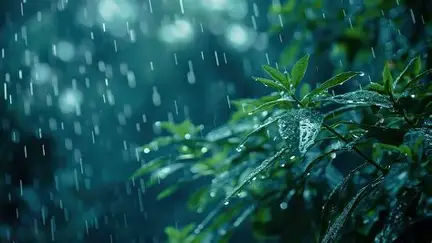

Rain: Nature’s Gift to Earth
Rain is one of the most important natural phenomena on Earth. It provides fresh water, supports plants and animals, fills rivers and lakes, and helps maintain the balance of ecosystems. From gentle showers to powerful thunderstorms, familiar part of life in many parts of the world. Although rainy weather can sometimes cause inconvenience, it plays an essential role in keeping our planet healthy and alive.
What Is Rain?
Rain is a form of precipitation that occurs when water falls from clouds to the Earth’s surface. The process begins when heat from the Sun causes water from oceans, rivers, lakes, and other sources to evaporate. The water vapor rises into the atmosphere, where cooler temperatures cause it to condense into tiny water droplets.
As these droplets combine and become heavier, they eventually fall toward the ground. This continuous movement of water between the Earth and the atmosphere is known as the water cycle. Rain is therefore an important part of the natural system that continuously supplies fresh water to the planet.
How Does For natural form?
The formation of rain involves several stages. First, sunlight warms water on the Earth’s surface, causing evaporation. The water vapor then rises into the atmosphere. At higher altitudes, the air becomes cooler, and the vapor condenses around tiny particles such as dust and salt.
These condensed droplets gather together to form clouds. When the droplets become large and heavy enough, gravity pulls them downward. If temperatures remain suitable, they reach the ground as rainfall.
The amount and type of rain can vary depending on atmospheric conditions. Warm tropical areas may experience frequent heavy rainfall, while dry regions can go for long periods without significant precipitation.
Importance of Rain for Nature
Rain is essential for nearly every living organism. Plants depend on water to grow, produce food, and carry out photosynthesis. also replenishes moisture in the soil, allowing forests, grasslands, and agricultural crops to survive.
Animals depend on as well. Many wildlife species obtain drinking water from ponds, streams, and rivers that are supplied by rainfall. In forests and wetlands, regular precipitation helps maintain habitats for countless species.
also helps support biodiversity. Healthy ecosystems require a reliable supply of water, and changes in rainfall patterns can affect plants, animals, and microorganisms throughout the food chain.
Importance of for Agriculture
Farmers around the world rely on rainfall to grow crops. Water from rain helps seeds germinate and provides plants with the moisture they need during different stages of growth. In areas where irrigation systems are limited, rainfall can be the main source of water for farming.
Good rainfall can improve agricultural production and support food supplies. However, too much rain can also create problems. Heavy rainfall may flood farmland, wash away fertile soil, and damage crops. On the other hand, a long period without rain can lead to drought and crop failure.
For this reason, balanced rainfall is important for sustainable agriculture and food security.
Rain and the Water Cycle
Rain plays a central role in the water cycle. After reaching the ground, some rainwater flows into rivers and lakes, while some enters the soil through infiltration. Plants absorb part of this water through their roots, and some eventually returns to the atmosphere through a process called transpiration.
Rainwater also helps refill underground water reserves known as groundwater. These reserves are important sources of drinking water for many communities.
Through evaporation, condensation, precipitation, and collection, water continuously moves between the Earth’s surface and atmosphere. Rain is one of the key stages that keeps this cycle functioning.
Benefits of general for People
Rain provides many benefits to human society. It supplies water for drinking, farming, cleaning, industry, and energy production. Rainfall also helps reduce dust and can temporarily improve air quality by removing particles from the atmosphere.
Many people enjoy rainy weather because it creates a cool and peaceful environment. The sound of falling can feel relaxing, while the fresh smell after rainfall is often associated with nature and renewal.
Rain is also important for maintaining reservoirs and freshwater resources. Without regular precipitation, many communities would face serious water shortages.
Problems Caused by Heavy Rain
Although rain is necessary, excessive rainfall can create serious challenges. Heavy rain may cause flooding, landslides, road damage, and disruption to transportation. In cities, poor drainage systems can make flooding worse because large amounts of water cannot flow away quickly.
Strong storms can also damage homes, crops, and infrastructure. For this reason, communities need effective drainage systems, flood management plans, and early warning systems to reduce the risks associated with extreme.
The Beauty of Rain
Beyond its practical importance, rain has a special place in human culture and everyday life. Rainy landscapes can transform dry fields into green spaces, refill streams, and bring new life to forests. After a long dry period, rainfall can be a welcome sign of renewal.
Rain has also inspired artists, writers, musicians, and photographers for generations. Its connection with nature, change, and emotion makes it a powerful subject for creative expression.
Conclusion
Rain is much more than water falling from the sky. It is a vital part of the Earth’s water cycle and plays an essential role in nature, agriculture, ecosystems, and human life. From providing drinking water to helping forests grow, supports life in countless ways.
At the same time, extreme rainfall can cause floods and other problems, showing why responsible water management and environmental planning are important. By understanding the importance and protecting natural ecosystems, we can better appreciate this remarkable gift from nature and ensure that water resources remain available for future generations.

Comments are closed.
[…] of the solar system. It is much larger than Earth and contains most of the mass of the entire solar system. Because of its enormous size and powerful gravity, it keeps planets, asteroids, comets, and other […]