

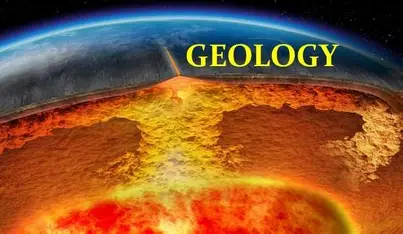

What Is Geology? Understanding the Science of the Earth
What is geology? Geology is the science of the Earth, its rocks, minerals, landforms, and structure, and the changes the Earth has undergone over millions of years. It explains the origin of the Earth, the modifications of the Earth’s surface, and what goes on underground.
Geology encompasses mountains and valleys, earthquakes and volcanoes. It is the basis for explaining many of the natural forms and phenomena around us. Geology can also help geologists determine how the Earth might evolve in the future study how it changed in the past and how it is changing now.
What Does Geology Study?
There are lots of aspects to geology. Geologists study rocks, minerals, fossils, soil, mountains, oceans, and the layers below the Earth’s surface.
They also explore natural events such as erosion, earthquakes, volcanoes, and the movement of tectonic plates. Over time, or abruptly, the landscape can be modified by these processes.
The formation of a mountain may take millions of years, while the alterations of land caused an earthquake may accomplish in a few seconds. Geology can provide answers to both of these types of changes.
The Structure of the Earth
Knowing the structure of the Earth is an important aspect of geology. Our planet consists of a number of main layers.
The crust is the thin outer layer inhabit human beings. Below it is the mantle, a far thicker layer consisting largely of hot solid rock, but one that can move very slowly over very long periods of time.
There is a core at the center of the Earth, which consists of an outer core and an inner core. The outer core is primarily liquid, while the inner core is solid due to the tremendous pressure in the deepest part of the planet.
The information gathered from these layers aids in understanding the internal activity, magnetic field, and heat of the Earth.
Rocks and Minerals
Geology is the study of one of the largest subjects, which is rocks. They consist of one or more minerals and may create in a variety of ways.
The three types of rocks are igneous rocks, sedimentary rocks, and metamorphic rocks.
Igneous rocks are created from molten rock (magma or lava) that cools and turns to rock. Sedimentary rocks are formed from sediment that is accumulated and compacted over time. Metamorphic rocks are former the alteration of existing rocks under the influence of heat, pressure, or chemical action.
Minerals are naturally occurring substances with specific chemical and physical properties. Many minerals are important for everyday life, as they are used to make metals, construction materials, electronics, and more.
Geology and Tectonic Plates
The “skin” of the Earth is broken up into large fragments known as tectonic plates. These plates move slowly over the softer part of the Earth’s upper mantle.
Many major geologic events are attributed to their movement. Plate collisions, separations, and sliding can lead to earthquakes, the building of mountains, and volcanic activity.
Continental plates can push against each other, for instance, and the Earth’s crust can rise to create big mountains. This process illustrates the ways in which the Earth’s surface can be modified over time by geological forces.
How Geology Explains Earthquakes and Volcanoes
Another use of geology is to explain earthquakes and volcanoes.
Usually, an earthquake happens when stress accumulates in the Earth’s crust and rocks suddenly slip along a fault. As the movement occurs, energy is released that can propagate through the ground as seismic waves.
The eruptions of volcanoes are related to the movement of magma under the surface of the Earth. Magma can erupt onto the surface as lava, ash, and gases.
Earthquakes and volcanic eruptions are sometimes dangerous, but scientific knowledge of the geological processes that cause them enables scientists to monitor and increase their knowledge of these natural events.
Why Is Geology Important?
Geology is important because human beings are dependent on natural resources in the Earth. Many of the materials that we use daily are derived from geological activities.
Some materials that come from the Earth are metals such as iron and copper, fuels, building materials, and many industrial minerals. Geologists contribute to finding and researching these resources.
Geology is also crucial for understanding natural hazards. Scientists can learn more about potential increased risks to areas study faults, volcanoes, landslides, and other geological processes.
Moreover, geology can aid in the understanding of groundwater and soil as well. It is valuable for agriculture, construction, water management, and environmental protection.
Geology and Earth’s History
The estimated age of the Earth is 4.54 billion years. Geologists are able to piece together the history of our planet through rocks, minerals, fossils, and other evidence.
Fossils and clues to ancient environments can presser in layers of sedimentary rock. These clues help scientists discover information about long-ago organisms, climates, changing landscapes, and how the Earth’s history changed.
Rocks can therefore serve as the pages of a very long history book. They offer evidence of the changes that have occurred on the Earth over time, on the scale of billions of years.
The Difference Between Geology and Geography
Although related, geology and geography are two different aspects that deal with the Earth.
Geology is primarily the study of the physical substance, structure, and history of the Earth and its geological processes. Geography is the study of the places, landscapes, and environments on Earth, and the relationships between people and their environments.
For instance, a geologist might research the formation of a mountain, and a geographer might research the mountain’s location, climate, ecosystems, and impacts on the human habitat.
Both sciences contribute toward developing a better understanding of our planet.
Conclusion
So, what is geology? It is the science of the knowledge of the materials, structure, and history of the Earth and its ever-changing surface.
Geology encompasses the myriad processes by which the world was formed, how rocks and mountains were formed, and how earthquakes, volcanoes, and movements of tectonic plates occur.
Geology provides us with information about the planet that we live on. It also aids scientists in the management of natural resources, the study of the Earth’s history, and the understanding of natural hazards. As the knowledge and information, we gain in geology continues to grow, so does our love for the wonders and dynamism of our planet.


Comments are closed.
[…] crust is the thin, solid, outer shell of the Earth. It is the realm in which humans reside, mountain ranges form, oceans are found, and many geological processes occur. The crust is the only part of […]