


Air: Importance, Composition, and Role in Life
Air is one of the most essential natural resources on Earth. Every living organism depends on air in some way, making it a fundamental part of life and the environment. Although we cannot normally see air, we can feel its movement as wind and observe its effects on trees, clouds, and weather. Clean supports human health, plants, animals, and healthy ecosystems.
What Is Air?
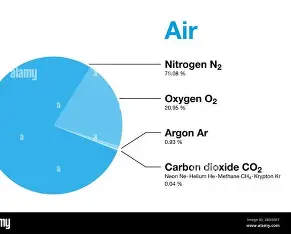
Air is a mixture of several gases that surrounds our planet. It is mainly made up of nitrogen and oxygen, along with smaller amounts of argon, carbon dioxide, water vapor, and other gases. The atmosphere holds this mixture around Earth and protects life from many harmful conditions in space.
The exact composition can vary depending on location, altitude, weather, and human activity. Water vapor, for example, changes considerably from one place to another. Air near oceans and forests may contain different amounts of moisture compared in dry regions.
Why It Matters for Life
Air plays a vital role in almost every natural process. Humans and many animals need oxygen from the atmosphere for respiration. During respiration, cells use oxygen to release energy from food, allowing organisms to move, grow, and perform essential functions.
Plants also depend on gases in the atmosphere. They take in carbon dioxide during photosynthesis and use sunlight to produce food. During this process, plants release oxygen, which becomes available to other living organisms.
The atmosphere also helps regulate Earth’s temperature. Certain gases, including carbon dioxide and water vapor, naturally trap some heat and help keep the planet warm enough to support life.
Composition of Air
The atmosphere contains several important gases. Nitrogen makes up the largest portion, accounting for about 78% of dry air. Oxygen makes up about 21%, while argon and carbon dioxide occur in much smaller quantities.
Even though some gases exist in tiny amounts, they can have important effects. Carbon dioxide is essential for photosynthesis and also influences Earth’s climate. Water vapor plays an important role in clouds, rainfall, and weather.
This balance of gases makes the atmosphere suitable for life. Major changes in its composition can affect ecosystems, weather patterns, climate, and human health.
Air and Human Health
Clean air is essential for good health. People breathe thousands of times each day, so the quality of the atmosphere around us can have a significant effect on the respiratory system.
Air pollution can introduce harmful particles and gases into the atmosphere. Smoke, dust, vehicle emissions, industrial pollution, and the burning of fuels can all contribute to poor quality. Long-term exposure to polluted air may increase the risk of respiratory and cardiovascular problems.
Indoor quality also matters. Poor ventilation, smoke, dust, mold, and certain household chemicals can affect the air inside buildings. Good ventilation and reducing sources of pollution can help create a healthier indoor environment.
Air and Plants
Plants have a close relationship with the atmosphere. Through photosynthesis, they absorb carbon dioxide and use sunlight and water to produce energy-rich food. Oxygen is released as a byproduct of this process.
Forests, grasslands, wetlands, and other green areas help maintain healthy ecosystems. Plants also capture carbon dioxide and can help reduce some forms of pollution by absorbing certain particles and gases.
Protecting forests and increasing green spaces can therefore benefit both nature and communities.
Effects on Human Health
Air pollution can come from both natural and human sources. Natural sources include volcanic eruptions, wildfires, dust storms, and some biological processes. However, human activities are major contributors to pollution in many populated areas.
Vehicles, factories, power plants, construction, agriculture, and the burning of coal, oil, gas, wood, and waste can release pollutants into the atmosphere. Cities with heavy traffic and industrial activity may experience particularly poor air quality.
Weather conditions can also influence pollution levels. When pollutants become trapped close to the ground, air quality may deteriorate significantly.
How Can We Keep the Air Clean?
Protecting quality requires action from individuals, communities, businesses, and governments. Using public transportation, walking, cycling, and choosing cleaner energy sources can help reduce emissions.
Planting and protecting trees are another useful step. Green spaces can improve local environments while providing habitats for wildlife. Industries can also reduce pollution by adopting cleaner technologies and following environmental standards.
At home, people can avoid unnecessary burning of waste, maintain good ventilation, and use energy efficiently. Small changes can contribute to cleaner surroundings when many people participate.
Air and the Environment
Air connects different parts of the natural world. It carries moisture, influences weather, distributes heat, and supports the movement of pollen and seeds. Wind also shapes landscapes by transporting dust and soil particles.
The atmosphere is part of Earth’s larger climate system. Changes in atmospheric gases can influence global temperatures and weather patterns. For this reason, maintaining healthy is not only important for people but also for ecosystems and the planet as a whole.
Conclusion
Air is an invisible resource that supports life every moment of every day. It provides oxygen for respiration, supplies carbon dioxide for photosynthesis, influences weather, and helps regulate Earth’s temperature. Despite its importance, quality can be damaged by pollution and unsustainable human activities.
Keeping the atmosphere clean requires responsible choices and long-term environmental protection. Reducing emissions, protecting forests, using cleaner energy, and improving air-quality practices can help create a healthier future. By understanding the importance. we can take better care of ourselves and the natural world around us.


Comments are closed.
[…] ৪.৬ বিলিয়ন বছর আগে সৌরজগতের গঠন শুরু হয়। তখন মহাকাশে গ্যাস ও […]